Expired domains can offer existing backlinks and domain authority, but they carry significant risks including Google penalties from previous spam, toxic backlink profiles, trademark conflicts, and prior use for malware distribution. For most startups and new projects, registering a fresh domain is smarter, cheaper, and safer. Tools like FindMyURL help you find creative available names you can build genuine authority on from scratch.
What Is an Expired Domain and Why Do People Buy Them?
An expired domain is a domain name whose previous owner chose not to renew it. Once the renewal window closes, the domain enters a redemption period, then becomes available for re-registration - either through a standard registrar or via an auction marketplace.
The appeal is straightforward: instead of starting with a brand-new domain that has zero history, you acquire one that already has:
- Existing backlinks from other websites pointing to it
- Domain Authority (DA) or Domain Rating (DR) built up over years
- Residual organic traffic from pages still indexed in Google
- Brand recognition if the previous site had an audience
In theory, buying the right expired domain gives your new site an SEO head start of months or even years.

What Are the Real Benefits of Buying an Expired Domain?
When an expired domain is genuinely clean and relevant to your niche, the advantages are real:
Existing Backlink Profile
Backlinks remain one of Google's strongest ranking signals. A domain with 200 high-quality editorial backlinks from reputable publications starts in a fundamentally different position than a fresh registration with none.
Domain Authority Inheritance
Domain Authority (Moz) and Domain Rating (Ahrefs) are accumulated over time. A domain that was actively maintained for 10 years carries more inherent trust than a domain registered yesterday - if the history is clean.
Residual Indexed Pages
Some expired domains still have pages indexed in Google. If the content is relevant to your new project, you can restore those URLs and capture existing search traffic almost immediately.
Aged Domain Trust Signals
Google's algorithms consider domain age and historical behaviour as part of their trust evaluation. An older, well-maintained domain can pass through the so-called "Google Sandbox" effect faster than a brand-new registration.
What Are the Hidden Risks of Buying an Expired Domain?
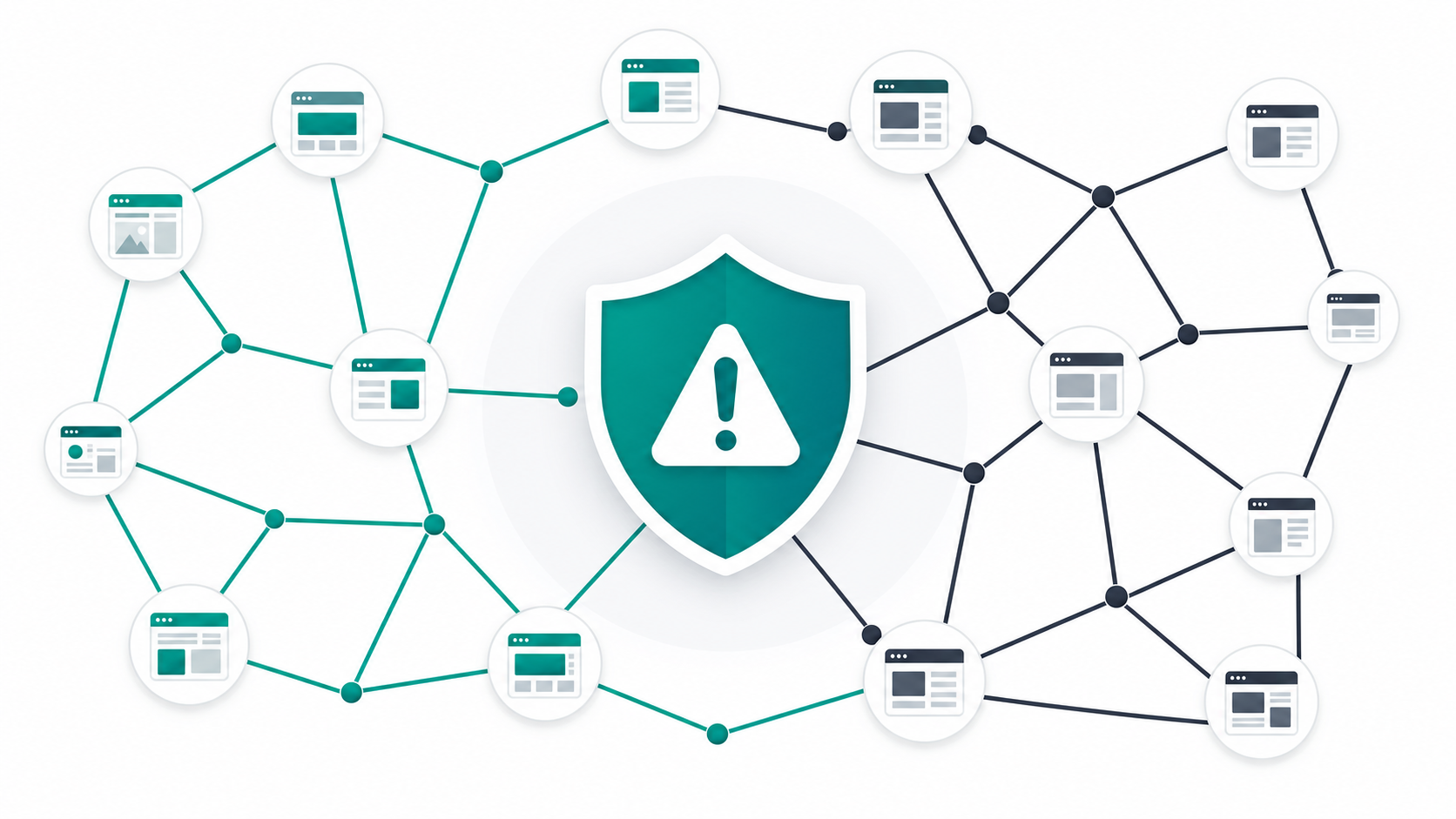
This is where most buyers come unstuck. The risks are significant and, critically, often invisible until after you've paid.
1. Google Manual Penalties
The previous owner may have engaged in link schemes, keyword stuffing, or other black-hat SEO tactics. Google issues manual actions against domains - and those penalties can survive a change of ownership. You inherit the penalty along with the domain. Recovering from a manual action can take months of disavow work and reconsideration requests.
2. Toxic Backlink Profiles
Not all backlinks are equal. A domain with thousands of links from adult sites, gambling directories, or private blog networks (PBNs) is actively harmful to rankings. Ahrefs' backlink analysis tools can reveal the full profile before you buy - but most buyers skip this step.
3. Trademark and Legal Issues
If the expired domain contains a brand name, product name, or trademarked term, you could face a UDRP (Uniform Domain-Name Dispute-Resolution Policy) complaint that strips the domain from you - even after you've paid for it and built on it. You may also receive cease-and-desist letters.
4. Brand Confusion and Reputation Damage
A domain previously associated with a defunct competitor, a scam operation, or controversial content carries reputational baggage. Users who remember the old site may arrive with negative associations.
5. Malware and Blacklist History
Some expired domains were used to distribute malware, host phishing pages, or send spam. These domains end up on email blacklists and Google's Safe Browsing database. You could find your new site flagged as dangerous before you've published a single page. Check Google Safe Browsing before purchasing any expired domain.
6. Irrelevant or Manipulated Link Profile
Backlinks only pass value when they're topically relevant. A domain that previously ran a finance blog will have finance-focused backlinks. If you're launching a health and wellness brand, those links offer little SEO benefit - and may confuse Google's understanding of your site's topic.
How Do You Evaluate an Expired Domain Before Buying?
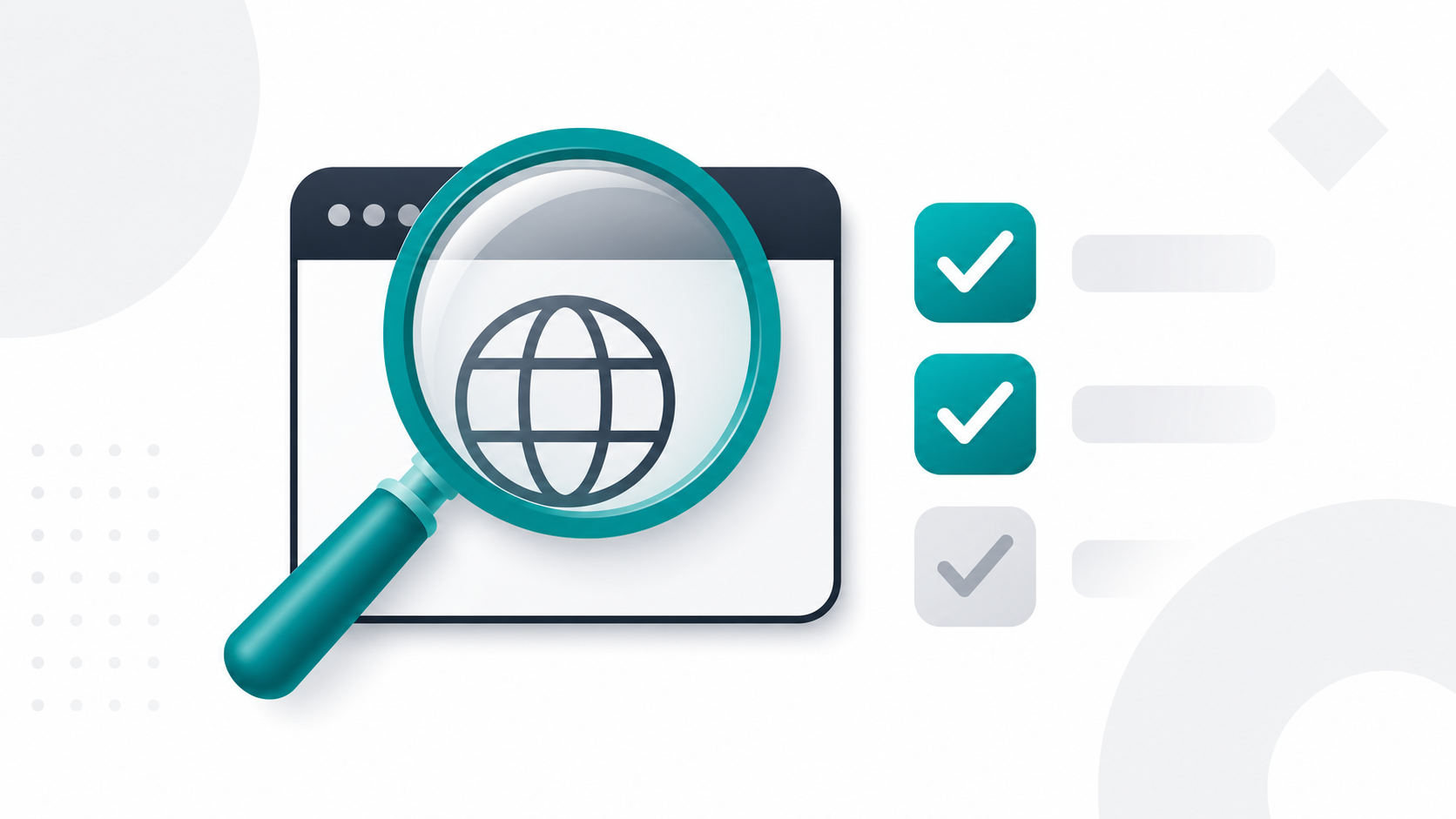
Due diligence on an expired domain is non-negotiable. Here's a structured checklist:
Step 1: Check the Wayback Machine
Visit web.archive.org and enter the domain. Review what the site looked like over the years. Ask:
- Was the content relevant and legitimate?
- Did it suddenly pivot from a legitimate niche to spam?
- Was it ever a parked domain with auto-generated ad content?
A sudden topic change is a major red flag - it often indicates the domain was sold and used for link manipulation.
Step 2: Run a Full Backlink Audit
Use Ahrefs or a comparable tool to export the full backlink profile. Analyse:
- Total referring domains (quantity)
- Domain quality - are linking sites reputable?
- Anchor text distribution - over-optimised commercial anchors signal manipulation
- Link velocity - a sudden spike of thousands of links in a short window is a red flag
- Topical relevance - do the links come from sites in your niche?
Step 3: Check for Google Manual Actions
This requires owning the domain in Google Search Console. If you're buying via auction, request this information from the seller, or test it by temporarily pointing the domain to a simple holding page and verifying it in Search Console before completing a large purchase.
Step 4: Check Google Safe Browsing
Enter the domain into Google's Transparency Report to confirm it hasn't been flagged for malware, phishing, or unwanted software.
Step 5: Run a Trademark Search
Search the domain name in your jurisdiction's trademark database (USPTO in the US, EUIPO in Europe, IPO in the UK). If the domain contains a brand term, verify it's either generic or that the original trademark has lapsed.
Step 6: Check Email Blacklists
Tools like MXToolbox allow you to check whether the domain's IP history or the domain itself appears on spam blacklists - critical if you intend to send email from the domain.
Where Can You Buy Expired Domains?
The main marketplaces for expired domains are:
| Platform | Best For | Notes |
|---|---|---|
| GoDaddy Auctions | Volume and variety | Largest expired domain marketplace |
| NameJet | Higher-value domains | Focuses on premium and pre-release domains |
| SnapNames | Competitive auctions | Good for catching domains at expiry |
| Flippa | Domains with established traffic | Combines domain and website marketplaces |
| Sedo | International domains | Strong for country-code TLDs |
Most serious buyers use multiple platforms and set up alerts for specific keywords, extension types, or DA thresholds.
How Much Do Expired Domains Cost?
Pricing varies enormously based on backlink profile, domain age, keyword value, and auction competition.
- Low-quality expired domains: $10–$100 (often not worth buying)
- Mid-tier domains with some authority: $200–$1,000
- Strong DA domains with clean profiles: $1,000–$10,000
- Premium brandable or high-authority domains: $10,000–$100,000+
For comparison, see our guide to domain names that have sold for over $1 million to understand what makes a domain genuinely valuable at the top end of the market.
The economics matter: if a clean, relevant expired domain costs $3,000–$8,000, you need to be confident the SEO benefit will outweigh that cost plus the ongoing risk management. Many startups find that a fresh, well-chosen domain name - registered for $10–$15/year - delivers comparable long-term results with none of the hidden liability.
For a full breakdown of registration costs, read our guide to registrar pricing and domain costs.
Is Buying a Fresh Domain Better Than an Expired One?
For most founders, early-stage startups, and small businesses: yes.
Here's why a fresh domain often wins:
- No inherited penalties - you start with a clean slate
- No brand confusion - users associate the domain entirely with you
- No legal risk - you avoid any trademark baggage from previous use
- Lower upfront cost - $10–$15/year vs. potentially thousands for a clean expired domain
- Full control over link profile - every link pointing to your domain is one you earned
The caveat: if you're an experienced SEO professional, building an affiliate site or content business in a competitive niche, and you have the budget and skill to properly vet a domain, a quality expired domain can meaningfully accelerate your timeline.
For everyone else, invest that money in content, product, and marketing instead.

FindMyURL uses AI to generate domain names and checks real-time availability across major domain registrars, so every suggestion you see is actually available to register right now.
If you're looking for a fresh, creative domain you can own entirely from day one, try FindMyURL - it generates names based on your idea and instantly confirms which ones are actually available to register.
How to Buy a Domain - Fresh or Expired
Whether you've decided to pursue an expired domain or go fresh, the purchase process follows similar steps. Our complete guide on how to buy a domain name covers registrar selection, payment, DNS setup, and transfer procedures in full.
If you want to verify availability before purchasing anything, read our guide on how to check if a domain name is available - and be aware of the risks covered in our section on domain front-running before you start searching publicly.
Frequently Asked Questions
Are expired domains good for SEO?
Expired domains can benefit SEO if they have a clean backlink profile, no Google manual penalties, and topical relevance to your new site. However, many expired domains carry toxic links, prior penalties, or manipulated histories that actively harm rankings. A thorough backlink audit and penalty check is essential before any purchase.
How do I check if an expired domain has been penalised by Google?
Verify the domain in Google Search Console and check the Manual Actions report. You can also review the domain's history on the Wayback Machine for signs of spam or topic manipulation, run a backlink audit with Ahrefs to identify toxic links, and check Google's Safe Browsing Transparency Report for malware flags.
Where can I buy expired domains?
The main marketplaces for expired domains are GoDaddy Auctions (auctions.godaddy.com), NameJet, SnapNames, Flippa, and Sedo. GoDaddy Auctions is the largest and most accessible for beginners. Premium brokers also handle high-value expired domain transactions privately.
How much do expired domains cost?
Expired domain prices range from under $100 for low-quality domains to $10,000 or more for clean, high-authority domains in competitive niches. Mid-tier domains with legitimate backlink profiles typically sell for $500–$3,000 at auction. Genuinely valuable expired domains rarely come cheap.
Is it better to buy a new domain or an expired domain?
For most startups and small businesses, a fresh domain is the better choice. It costs $10–$15 per year, carries no inherited penalties or legal risk, and gives you complete brand control. Expired domains make sense primarily for experienced SEO professionals building content or affiliate sites in competitive niches, provided the domain passes rigorous due diligence.