A good domain name is short (under 15 characters), easy to spell and pronounce, memorable, brandable, and free of hyphens or numbers. It should pass the 'radio test' - if someone hears it spoken aloud, they can type it correctly on the first try. Get this decision right and your domain becomes a brand asset; get it wrong and you'll fight it for years.
What Are the Core Qualities of a Good Domain Name?
Think of your domain name as your address on the internet - and like a physical address, you want it to be easy to find, easy to remember, and easy to share. Here are the qualities that separate great domain names from forgettable ones.
1. Short
Shorter domains are easier to type, harder to mistype, and faster to recall. Aim for under 15 characters, ideally under 10. Every extra character is a chance for a typo or a forgotten letter. For a deeper breakdown of the ideal range, read how long should a domain name be?.
2. Easy to Spell
If you have to spell it out letter by letter every time you share it, it's already failing. Avoid unusual spellings, silent letters, and words that have multiple plausible spellings (think "licence" vs "license").
3. Easy to Pronounce
If you can't say it fluently in conversation, people won't remember it. Say your candidate domain out loud five times. If it feels awkward, pick something else.
4. Memorable
A memorable domain sticks after one exposure. This usually means it's either a real word, a simple invented word, or a short phrase - not a random string of letters or a keyword-stuffed compound.
5. Brandable
Brandable domains feel like they could belong to a company. They have personality. "Stripe" sounds like a fintech company. "Notion" sounds like a productivity tool. Generic keyword domains ("bestaccountingsoftware.com") feel cheap and are harder to protect as trademarks.
The right brandable pattern depends on the business model. A SaaS product domain may need to sound technical and scalable, while an online store domain needs to create trust before checkout and a freelance business domain often needs to support personal credibility.
6. Free of Hyphens and Numbers
Hyphens and numbers create ambiguity when spoken aloud. Is that "cool-tools.com" or "cooltools.com"? Is the number a digit or spelled out? Both questions cost you traffic and trust.
7. Passes the Radio Test
Imagine your domain being read out on a radio advertisement. Could a listener type it correctly without any further clarification? If the answer is yes, it passes. If the host would need to say "that's hyphen, no the number 4, all lowercase" - it fails.
What Do Great Domain Names Look Like in the Real World?
The best way to understand good domain naming is to look at names that work - and understand why they work.
| Domain | Length | Why It Works |
|---|---|---|
| stripe.com | 6 chars | One real word, clean, evokes speed and simplicity |
| notion.so | 6 chars | Conceptual, brandable, memorable TLD choice |
| linear.app | 6 chars | Precise, professional, matches the product's positioning |
| figma.com | 5 chars | Short invented word, easy to say, globally usable |
| vercel.com | 6 chars | Invented but pronounceable, feels technical and modern |
| slack.com | 5 chars | Common word repurposed, punchy, memorable |
| loom.com | 4 chars | Ultra-short, real word, evokes video |
| craft.do | 5 chars | Creative TLD pairing, instantly communicates design |
| arc.net | 3 chars | Exceptionally short, clean, distinctive |
| framer.com | 6 chars | Describes the product category without being generic |
| super.so | 5 chars | Simple adjective, confident brand positioning |
| railway.app | 7 chars | Metaphorical, clear, memorable |
What these names have in common:
- All under 12 characters
- All pronounceable on first read
- All brandable and defensible as trademarks
- None contain hyphens, numbers, or unusual spellings
What Are the Most Common Domain Name Mistakes?
Knowing what to avoid is just as important as knowing what to aim for. These are the mistakes that hurt businesses most.
Too Long
Domains over 15 characters are difficult to type, prone to typos, and rarely remembered. "thebestdigitalmarketingagencyinchicago.com" might rank for a long-tail keyword, but it will never become a brand.
Hard to Spell
Words like "rhythm," "entrepreneur," or "miscellaneous" are legitimate English words - but they're spelling traps. One wrong letter and your visitor lands on an error page or, worse, a competitor's site.
Confusing TLD Choices
Using an obscure TLD (like .xyz or .biz) for a business targeting mainstream consumers creates unnecessary friction. People default to typing .com. If your domain is "myproduct.xyz" and someone types "myproduct.com," you've lost that visitor.
For a full breakdown of which extension to choose, see our guide: Which domain extension should I choose?
Trademark Conflicts
Registering a domain that includes another company's trademark is a legal risk, not just a branding problem. Before you register, search the USPTO trademark database and check for existing brands. ICANN provides guidance on domain name basics that's worth reading before you commit.
Keyword Stuffing
"cheapflightsbooking.com" might seem SEO-smart, but Google's algorithm has evolved well beyond exact-match domain preference. A stuffed domain signals low quality to users and search engines alike.
Using Numbers or Hyphens
"web-design-pro.com" or "tools4business.com" - both fail the radio test and both look amateurish. Avoid them unless the number is literally your brand name (like "99designs.com", which earns an exception because it's their actual brand).
See the full list: The 10 most common domain name mistakes
Does Your Domain Name Affect SEO?
Yes - but perhaps not in the way you'd expect.
Direct SEO Factors
- Exact-match domains (EMDs) once had a significant ranking advantage. That advantage has been largely neutralised by Google's algorithm updates, though a small signal may remain.
- Keyword in domain: Having a relevant keyword can contribute marginally, but it's not worth sacrificing brand quality for it.
- Domain age and authority matter far more than the words in the domain itself.
Indirect SEO Factors (These Matter More)
- Branded search volume: A memorable domain generates more direct and branded searches, which is a strong quality signal to Google.
- Click-through rate: A trustworthy domain improves CTR from search results. Users recognise credible domains and are more likely to click.
- Link acquisition: Brandable domains attract more natural backlinks. Publishers and bloggers link to "stripe.com" more readily than "onlinepaymentprocessingtools.com."
- User trust: A clean, professional domain reduces bounce rate by signalling legitimacy before a user even loads the page.
According to Moz's research on domains and SEO, domain authority is built over time through links, content, and trust signals - your domain name is the foundation that either supports or undermines all of that.
Bottom line: Choose a domain for brand quality first, SEO second. The indirect SEO benefits of a memorable, trusted domain far outweigh any keyword advantage.
Why Does Domain Choice Matter for Brand Trust?
Your domain is often the first piece of brand identity a potential customer encounters - before your logo, your copy, or your product. It creates an immediate first impression.
Consider two fictional companies:
- Company A:
getmyaccountingservicesnow.com - Company B:
ledger.io
Both might offer identical services. But Company B looks like a funded, professional operation. Company A looks like it was registered in a hurry.
Trust signals your domain sends:
- TLD choice: .com signals established, mainstream business. Country-code TLDs (.co.uk, .com.au) signal local presence. Modern TLDs (.app, .io, .so) signal tech-savvy and startup culture.
- Length and cleanliness: Short, clean domains signal confidence. Long, cluttered domains signal uncertainty or amateur execution.
- Brandability: A coined or distinctive word signals intentionality. A generic keyword phrase signals that someone couldn't get the domain they really wanted.
For tips on choosing the right extension for your brand, read Which domain extension should I choose?
How Can AI Help You Find a Good Domain Name?
Finding a domain name that meets all these criteria - short, memorable, available, brandable - is harder than it sounds. Most one-word .com domains are taken. That's where AI-powered tools change the game.
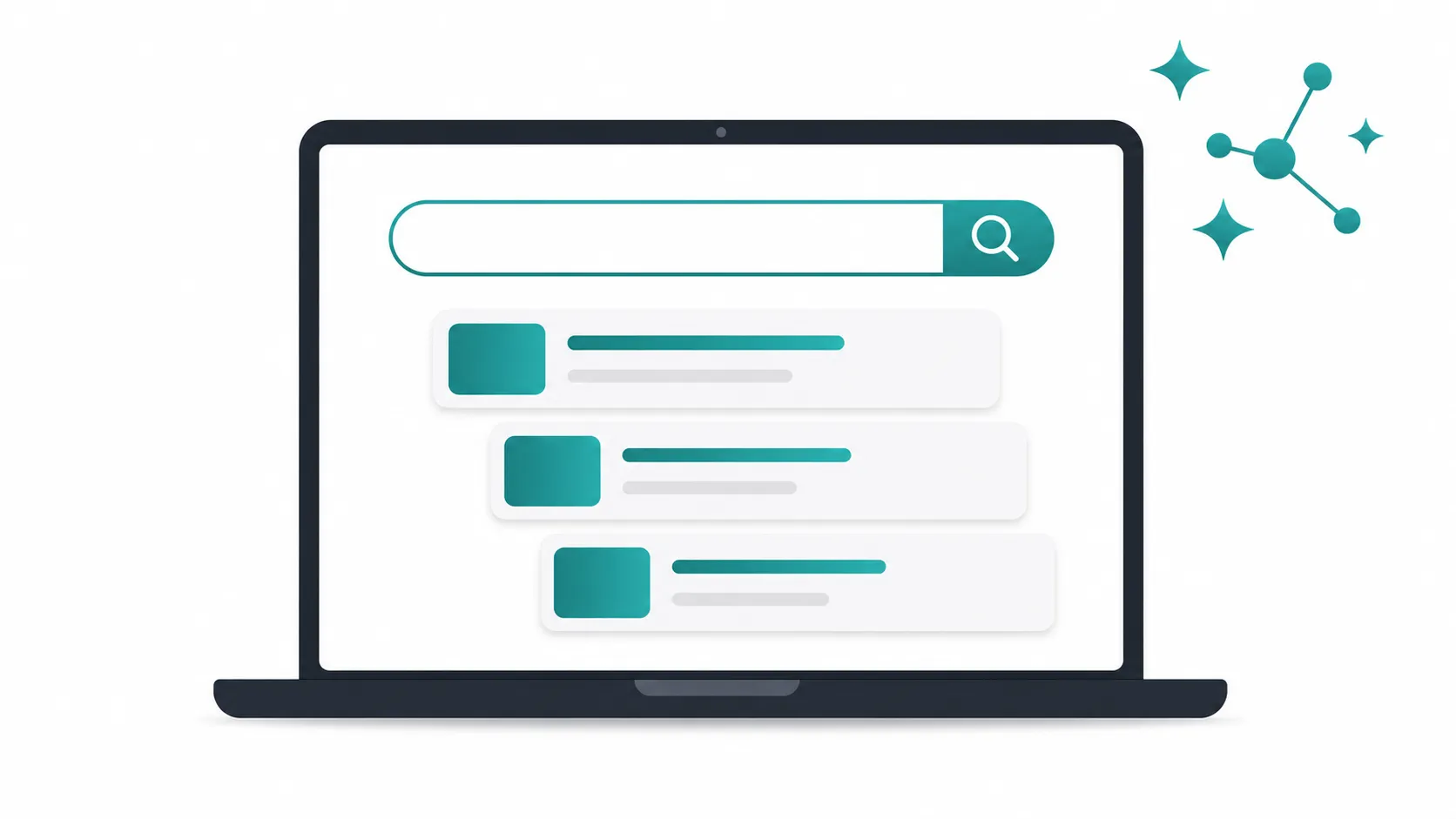
FindMyURL uses AI to generate domain names and checks real-time availability across major domain registrars, so every suggestion you see is actually available to register right now.
Rather than browsing expired domain lists or guessing random combinations, you describe your business and the AI applies the principles in this article automatically - generating names that are short, pronounceable, brandable, and checked for availability in real time. No suggestion is shown unless it's actually available to register.
See how it works: What is a domain name generator? and Best domain name generators in 2026
The Namecheap blog on naming tips is also a solid resource for understanding what registrars see in successful domain registrations.
How Do You Find the Perfect Domain Name for Your Startup?
If you're building a startup specifically, the stakes are even higher - your domain will appear on pitch decks, in press coverage, and in investor emails. Read our dedicated guide: How to find the perfect domain name for your startup.
If you are still deciding on the product name before the domain, use how to choose a product name with an available domain as the earlier naming checklist.
The short version:
- Start with your brand positioning, not keyword research
- Generate 20–30 candidate names before committing
- Check trademark availability, not just domain availability
- Test candidates with real people using the radio test
- Consider your 5-year trajectory - will this name still fit when you expand?
7 Questions to Ask Before You Register a Domain
Before you click "Add to Cart" on a domain registrar, run through this checklist:
1. Does it pass the radio test? Say it aloud. Could a stranger type it correctly after hearing it once?
2. Is it under 15 characters? Count the characters in the name itself, excluding the TLD. Under 10 is ideal.
3. Does it contain hyphens or numbers? If yes, reconsider. The only exception is if those characters are literally part of your brand name.
4. Is it easy to spell? Ask three people who haven't seen it to spell it back to you after you say it aloud. If anyone gets it wrong, the name has a problem.
5. Are there trademark conflicts? Search for the name (and similar names) in your territory's trademark registry before you invest in branding.
6. Is the .com available - or do you have a clear reason to choose another TLD? If .com isn't available, do you have a strategic reason for your chosen TLD, or are you settling?
7. Could this name grow with your business? Avoid names that box you into a niche you might leave. "UKFreelanceDesigners.com" becomes a liability the moment you take on international clients.
Start With a Name That Works
Your domain name is the one piece of infrastructure that's hardest to change later. Switching domains costs you SEO equity, brand recognition, and months of redirect management. Getting it right at the start is worth the extra hour of thought.
Use the criteria in this article as your filter. Then use FindMyURL to generate options that already meet the bar - short, brandable, available, and ready to register.
Frequently Asked Questions
What is the ideal length for a domain name?
The ideal domain name is under 15 characters, with under 10 being optimal. Shorter domains are easier to type, harder to mistype, and more memorable. The character count refers to the name itself, not including the TLD (e.g., 'stripe' in stripe.com is 6 characters).
Should I use my business name as my domain?
Yes, if your business name is short, easy to spell, and passes the radio test. If your business name is long, hard to spell, or already taken as a .com, consider a shortened version, an abbreviation, or a brandable alternative that still reflects your business identity.
Are hyphens bad in domain names?
Yes, hyphens should generally be avoided. They create ambiguity when spoken aloud, are often associated with spammy domains, and are easy to forget when typing. If 'cool-tools.com' is your domain, users will frequently land on 'cooltools.com' instead.
Does my domain name affect SEO?
Yes, but indirectly more than directly. Exact-match domain (EMD) advantages have largely been removed by Google. However, a memorable domain generates more branded searches, earns more natural backlinks, improves click-through rates from search results, and signals trust, all of which are strong SEO factors.
What TLD should I choose for my first website?
.com remains the safest choice for most businesses because users default to typing it. If .com is unavailable, consider your audience: .io and .app work well for tech products, country-code TLDs (.co.uk, .com.au) work well for locally focused businesses, and modern TLDs like .so or .co are acceptable if you have a clear brand rationale.
Published by the FindMyURL team. findmyurl.app - AI-powered domain name generation with real-time availability checking.