Numbers in domain names can work, but they introduce immediate ambiguity — when someone hears "get2work.com" they don't know whether to type "2," "two," or "to." The confusion costs you direct traffic, word-of-mouth referrals, and brand trust before a visitor even lands on your site. The only time numbers reliably work is when the number is the brand, or when the digit is universally understood in context.
Why Do Numbers Cause Confusion in Domain Names?
The core problem is the gap between spoken language and typed text.
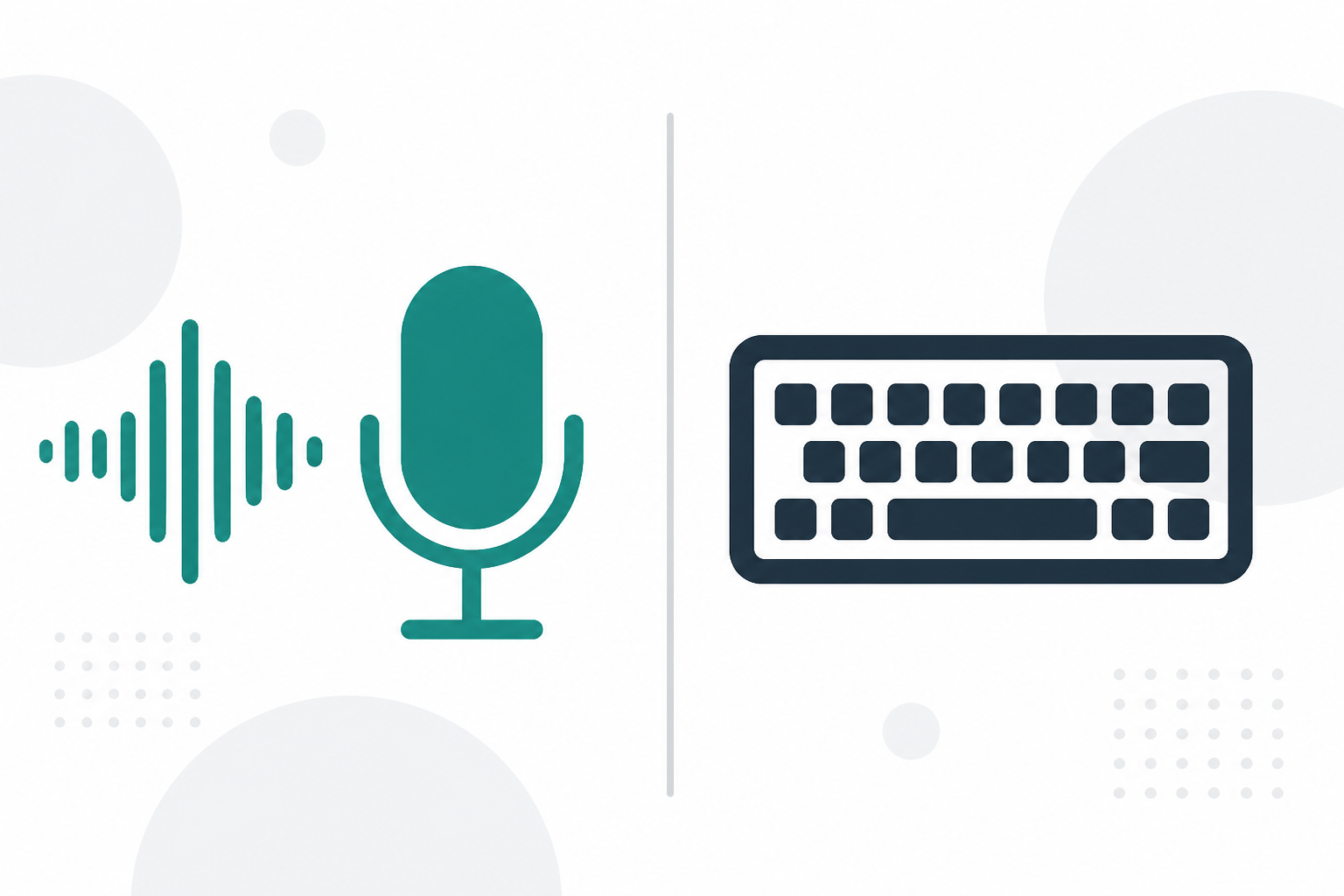
When you say a domain name out loud — on a podcast, in a video, on a radio ad, or in a conversation — the listener has to make an immediate decision:
| What they hear | What they might type |
|---|---|
| "two" | 2 or two or to |
| "four" | 4 or four or for |
| "eight" | 8 or eight or ate |
| "one" | 1 or one or won |
That's three or four possible spellings for a single spoken syllable. Every extra interpretation is a version of your domain that someone else might own — or a dead end that loses you a visitor permanently.
The GoDaddy domain naming guide flags this exact issue: domains that require mental translation between sound and spelling create unnecessary friction. Friction kills conversions.
There's also a secondary problem: professional perception. A domain like best5seotools.com signals that better names were already taken and the owner settled. That's not the first impression any brand wants to make.
What Are Famous Examples of Domain Names Where Numbers Actually Work?
Some of the most recognisable brands online use numbers — and they work. Here's why.
99designs.com The number 99 is the entire identity. It evokes the original crowdsourcing concept — 99 designers competing for your project. When someone hears "99designs," there is exactly one way to spell it. No ambiguity.
500px.com 500px is a photography platform whose name references a standard image dimension. The number is technical, memorable, and self-explanatory to the audience it targets. Again: one spelling, no confusion.
1Password The number 1 is both literal (one master password) and symbolic (the number one password manager). The brand meaning is baked into the digit.
365 Scores Sports scores, every day of the year. The number carries the entire value proposition. You understand the product from the domain name alone.
What Do These Examples Have in Common?
Every successful numbered domain shares three traits:
- The number is the concept — it isn't a shortcut for a word, it's a specific figure with meaning
- There is only one spelling — "99" cannot be misheard as anything else
- The number would be missed if removed — "designs.com" or "px.com" would be weaker brands
This is the test. If you could remove the number and the brand still works, the number is probably doing you more harm than good.
When Are Numbers a Lazy Substitute for Creative Naming?
Most numbers in domain names don't pass the test above. They exist because the preferred name was taken.
Common patterns to avoid:
best5tools.com— the "5" adds nothing; it's fillertop10recipes.com— the number locks you into a format and adds a typing decisiondigitalmarketing4u.com— "4u" is a shorthand that reads as unprofessional and creates a spelling forkwebdesign2go.com— "2" vs "to" vs "two" — classic ambiguity trap
These domains don't fail because they contain a number. They fail because the number is a workaround, not a brand decision. The difference is intent and clarity.
If you're reaching for a number because yourbrandname.com is taken, that's a signal to go back to ideation — not to add a digit and call it done. Tools like FindMyURL use AI to generate creative domain alternatives and check real-time availability across major registrars, so every suggestion you see is actually available to register right now.
Consider what the number forces the user to do:
- Translate a spoken word into a digit (or vice versa)
- Choose between multiple valid spellings
- Remember an unusual convention that doesn't match natural language
Any one of those steps costs you traffic. All three together make your domain genuinely unmemorable.
What Are the SEO Implications of Using Numbers in a Domain Name?
Google does not penalise domain names that contain numbers. A digit is treated the same as any other character in the string. 99designs.com ranks just as well as ninetydesigns.com would from a technical standpoint.
The SEO damage from numbers is indirect, and it comes from three places:
1. Lost Direct Traffic
If someone hears your domain and types the wrong version, they land nowhere — or on a competitor's site. That lost visit never becomes a session, never becomes a conversion, and never generates a positive signal for your domain.
2. Reduced Branded Search Volume
Branded searches — people typing your company name directly into Google — are a strong quality signal. If your brand name is ambiguous to spell, some of that branded search volume fragments across multiple spelling variants. You capture less of it.
3. Link Inconsistency
When other sites link to you, a confusing domain means some will link to the "two" version and some to the "2" version. If you don't own both, you're leaking link equity.
The net result: numbers don't hurt your technical SEO, but they can quietly suppress the organic and direct traffic metrics that matter most for growth.
Why Is Using the Current Year in a Domain Name a Particularly Bad Idea?
Year-based domains are a specific and particularly harmful pattern.

Domains like bestdomains2024.com or topmarketingtools2025.com create a built-in expiry date. The problems compound over time:
- They look immediately dated — by January of the following year, the domain signals stale content
- They hurt trust — a visitor seeing "2024" in a domain in 2027 questions whether anything is maintained
- They trap you — migrating to a new domain loses your backlink profile, your rankings, and your direct traffic
- They never made sense — the year in a domain has never been a useful user signal
There is no scenario in which bestrecipes2024.com ages well. If you're tempted to add a year because the non-year version is taken, treat that as confirmation you need a different name entirely — not a timestamped compromise.
What Are the Alternatives to Using Numbers in a Domain Name?
If your preferred name is taken and you're considering a number as a workaround, here are better options ranked by quality:
1. Spell the Number Out
fivestarreviews.com is clearer than 5starreviews.com. One interpretation, no ambiguity. The tradeoff is length — weigh that against clarity.
2. Use a Portmanteau or Blend
Combine two relevant words into a new one. Snapchat, Pinterest, Spotify — none of these are dictionary words, all of them are unambiguous to spell after one exposure.
3. Change the TLD
If yourbrand.com is taken, yourbrand.io, yourbrand.co, or yourbrand.app may be available and appropriate for your industry. The .com is still preferable, but a clean name on a relevant TLD beats a cluttered .com.
4. Add a Functional Word
get, use, try, go, my, the — prefix or suffix additions that are common in branding (getdropbox.com was Dropbox's original domain). These add a word but maintain spelling clarity.
5. Use AI to Generate Alternatives
AI-powered naming tools can generate hundreds of brandable alternatives in seconds and check their availability in real time. This is significantly faster than manually iterating on variations and separately checking registrar availability.
See also: What makes a good domain name? and The anatomy of a perfect .com for a fuller picture of domain quality criteria.
How Should I Decide Whether to Use a Number in My Domain Name?
Use this decision framework before committing to any domain name that contains a digit.
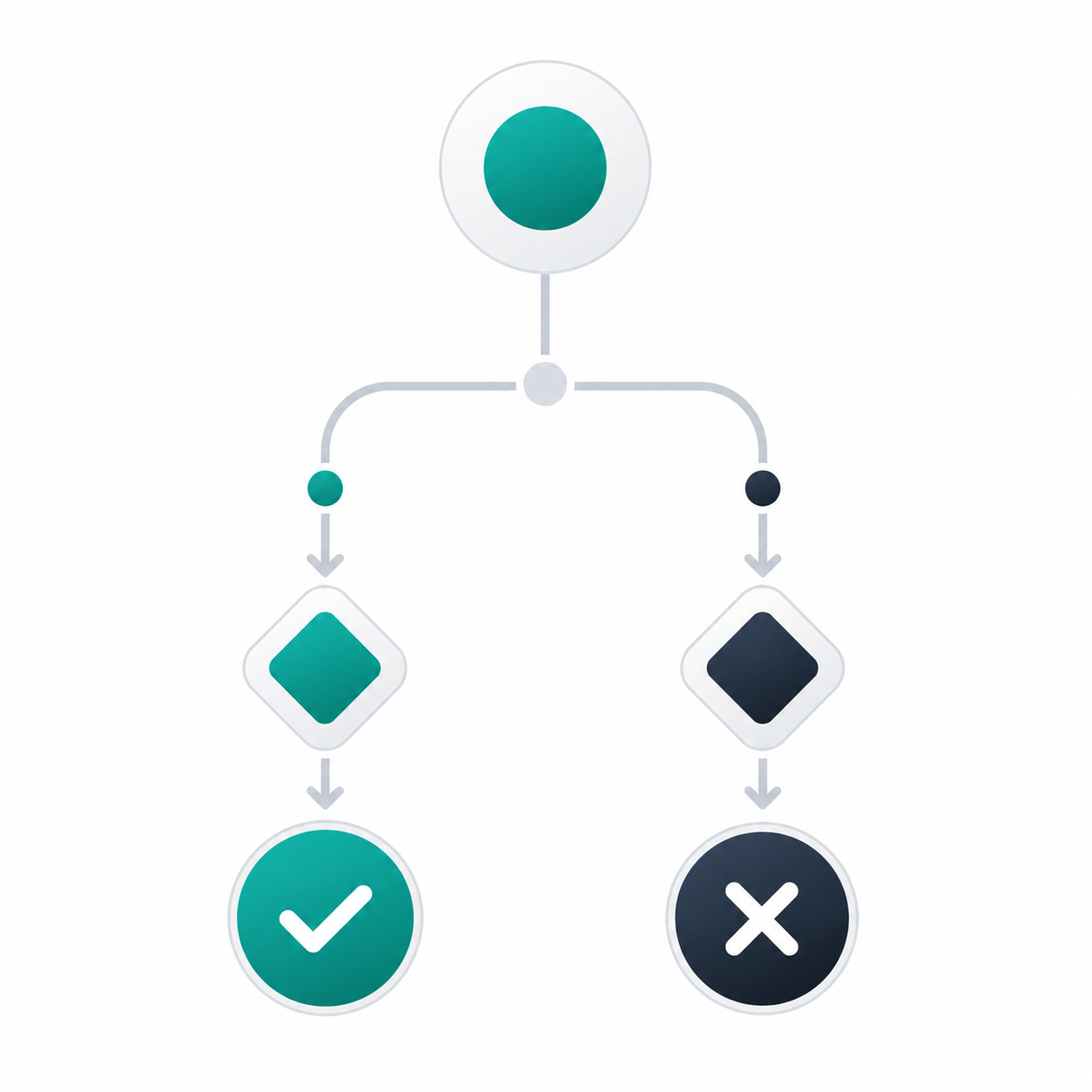
Ask these questions in order:
1. Is the number the brand — or a workaround for a taken name? If the number is the concept (like 99 or 500), proceed. If it's a substitute because the real name was taken, stop and go back to ideation.
2. Is there only one way to spell what a listener would hear? "99" — yes. "2work" — no. If there are multiple plausible spellings, the number fails the test.
3. If someone hears this domain on a podcast, can they spell it correctly on the first try? This is the single most useful heuristic in domain naming. Podcast listeners, radio audiences, and anyone who receives a verbal recommendation must translate sound to text with no second chance. If there's any doubt, choose differently.
4. Will this domain still look current in five years? If it contains a year or a number tied to a trend or moment, it will age. Evergreen domains have no expiry date.
5. Does the number add meaning, or does it add friction? If you removed the number and the brand is weaker for it, keep the number. If you removed the number and the brand is the same or clearer, drop it.
For additional guidance on domain name quality factors, the hyphens in domain names article covers a closely related set of tradeoffs — many of the same clarity and ambiguity principles apply.
Summary
Numbers in domain names are not inherently bad, but they are inherently risky. They work when the number is the identity — a specific, meaningful figure that cannot be misheard or misspelled. They hurt your brand when they exist as substitutes for creative naming, when they introduce a spelling decision, or when they tie your domain to a specific moment in time.
The podcast test is your best filter: if a stranger hearing your domain can spell it correctly without hesitation, you have a strong domain. If they'd have to ask "is that the number 2 or the word T-O?", you have a naming problem — and no amount of SEO work will fully compensate for it.
FindMyURL uses AI to generate domain names and checks real-time availability across major domain registrars, so every suggestion you see is actually available to register right now.