The fastest way to find a startup domain name is to describe your business idea to an AI-powered domain generator like FindMyURL, which generates creative names and verifies they're actually available in real time. For manual brainstorming, focus on compound words, invented words, or verb+noun combinations under 12 characters. This guide walks you through every step - from first idea to registered domain.
Why Do Startup Founders Waste So Much Time Finding a Domain?
Most founders open GoDaddy, type a name they love, and hit "unavailable." They tweak it, add a number, try a hyphen, and repeat - for hours. The problem isn't creativity. It's the process.
Checking domains one by one against a single registrar is slow, demoralising, and unreliable. A name might be available on GoDaddy but already trademarked. A name that sounds great in English might mean something offensive in Portuguese.
The right approach combines strategic brainstorming with real-time availability checking - ideally in one step.
If your startup is already in a specific category, use a focused guide alongside this one: SaaS domain names, online store domain names, and freelance business domains each have different trust signals.
What Are the Best Brainstorming Strategies for a Startup Domain Name?
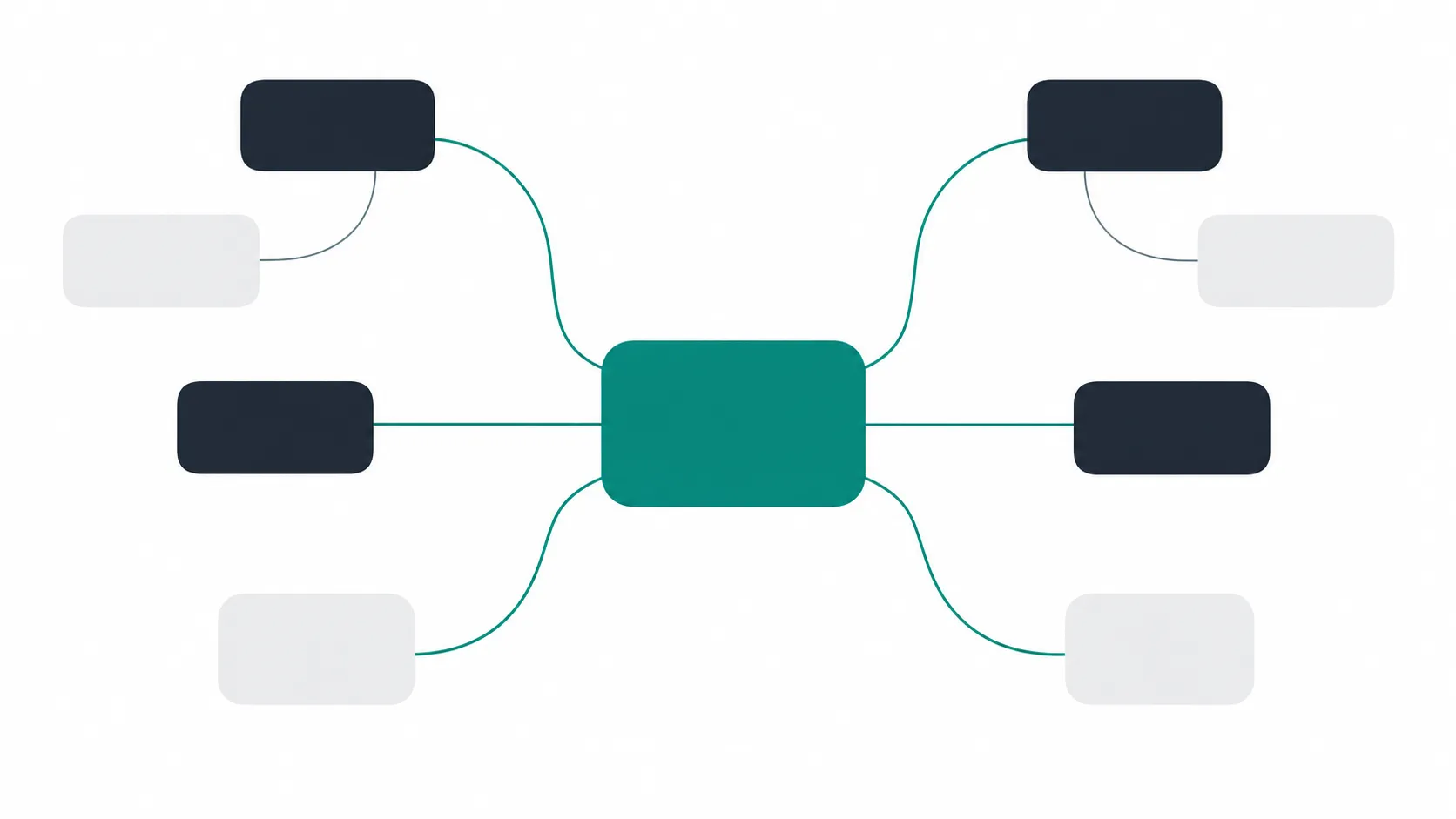
There are five proven naming strategies used by the most recognisable brands in the world:
If you are still choosing the product name itself, read how to choose a product name with an available domain before narrowing the domain shortlist.
1. Compound Words
Merge two relevant words into one memorable name.
| Example | Components |
|---|---|
| Face + Book | |
| YouTube | You + Tube |
| Snapchat | Snap + Chat |
| Coinbase | Coin + Base |
How to use it: List 10 words that describe your product and 10 words that describe your user or benefit. Combine pairs and filter for names under 12 characters.
2. Invented Words (Neologisms)
Create a word that doesn't exist yet. These are highly brandable and usually available.
- Spotify - no prior meaning, instantly ownable
- Zillow - invented, memorable, trademarkable
- Twilio - sounds technical, fits the product
How to use it: Take a core word, remove or swap letters, add a vowel ending. Run the result through a search to confirm it's clean.
Invented words are often the best route when you need a short available name. For more tactics, read how to find a short domain name that is not taken.
3. Descriptive Names
Say exactly what you do. Lower brandability, but high clarity.
- Booking.com
- Rooms.com
- Hire.com
Best for: Marketplaces and utility tools where clarity beats cleverness.
4. Acronyms
Useful when your full name is too long, though harder to build brand recognition from scratch.
- IBM (International Business Machines)
- CNN (Cable News Network)
Caution: Avoid acronyms unless your long-form name is already established.
5. Metaphors and Abstract Names
Use a word that evokes a feeling or concept rather than describing the product literally.
- Apple - simplicity, creativity
- Amazon - vast, abundant
- Stripe - clean, precise
How to use it: Ask: what emotion should users feel when they use my product? Find a concrete noun that captures it.
How Do You Check If a Startup Domain Name Is Truly Available?
Seeing "available" on a domain registrar isn't enough. A thorough availability check has four layers:
Step 1: Check Domain Registration
Use a tool that checks multiple registrars simultaneously. FindMyURL uses AI to generate domain names and checks real-time availability across major domain registrars, so every suggestion you see is actually available to register right now.
Manual alternative: Lean Domain Search for bulk .com checking.
For a dedicated availability workflow, read how to check if a domain name is available. If your goal is specifically a .com, use how to find an available .com domain name.
Step 2: Check Trademark Databases
A domain can be available to register but legally dangerous to use.
- US brands: USPTO Trademark Search
- International brands: WIPO Global Brand Database at branddb.wipo.int
Search for your exact name and close variations. Pay attention to trademarks in your industry category (Class 42 covers software and tech services).
Step 3: Check Social Media Handle Availability
Your domain and social handles should match - or be close enough to avoid confusion.
Use Namechk to check Twitter/X, Instagram, LinkedIn, TikTok, and YouTube simultaneously. Aim for an exact match on at least the two platforms most relevant to your audience.
Step 4: The Phone Test
Say your domain name out loud as if you're on a podcast interview:
"You can find us at..."
If you have to spell it out, explain punctuation, or repeat it twice - it fails. A good startup domain is:
- Spellable on first hearing
- Free of hyphens and numbers
- Unambiguous (no "is that an 'i' or a 'y'?")
Step 5: Check for Negative Meanings in Other Languages
If you're targeting international markets, run your name through Google Translate and check Spanish, French, German, Portuguese, and Mandarin at minimum. "Peki" means "OK" in Turkish. "Mist" means "dung" in German. These things matter.
What Does Finding a Domain With AI Actually Look Like?
Here's a real example. We described a fitness tracking app to FindMyURL:
"An app that helps people track their daily workouts, set personal records, and share progress with friends."
FindMyURL returned suggestions including:
| Name | Type | Available |
|---|---|---|
| TrackPace.com | Compound | ✅ |
| RepLog.io | Compound | ✅ |
| GainPath.com | Metaphor | ✅ |
| Striven.app | Invented | ✅ |
| LiftMark.com | Compound | ✅ |
Every result was confirmed available in real time - no manual cross-checking required. Compare this to spending 45 minutes on GoDaddy discovering that FitTrack, FitApp, FitLog, FitBase, and FitPath are all taken.
The AI understood the context of "fitness + social + progress" and generated names that matched the brand tone, not just the keywords.
→ Try it yourself: findmyurl.app
Should You Choose a .com or Another Domain Extension?
This question deserves its own answer, and we've covered it fully in Which domain extension should I choose? - but here's the short version:
- .com is still the default for consumer-facing startups. Users type it instinctively.
- .io is widely accepted in the tech and SaaS space.
- .app, .co, and .ai are legitimate if the .com is genuinely unavailable and your audience is tech-savvy.
- Avoid hyphens or numbers to compensate for an unavailable .com. That's a signal to find a different name entirely.
If the .com of your ideal name is parked or owned, use How to check if a domain name is available to explore your options before paying a premium.
How Long Should You Actually Spend on Choosing a Domain?
Founders routinely over-index on naming and under-index on building. Here's a practical time budget:
| Stage | Time |
|---|---|
| Initial brainstorm | 30–60 minutes |
| AI-assisted generation and shortlist | 15–20 minutes |
| Trademark and social check | 20–30 minutes |
| Phone test and peer feedback | 10 minutes |
| Final decision | Same day |
Total: under 2 hours.
If you've spent more than a day on this, you're optimising prematurely. A good domain that you register today is worth more than a perfect domain you're still debating next week.
For more on what separates a good name from a great one, read What makes a good domain name?
Your Startup Domain Name Launch Checklist
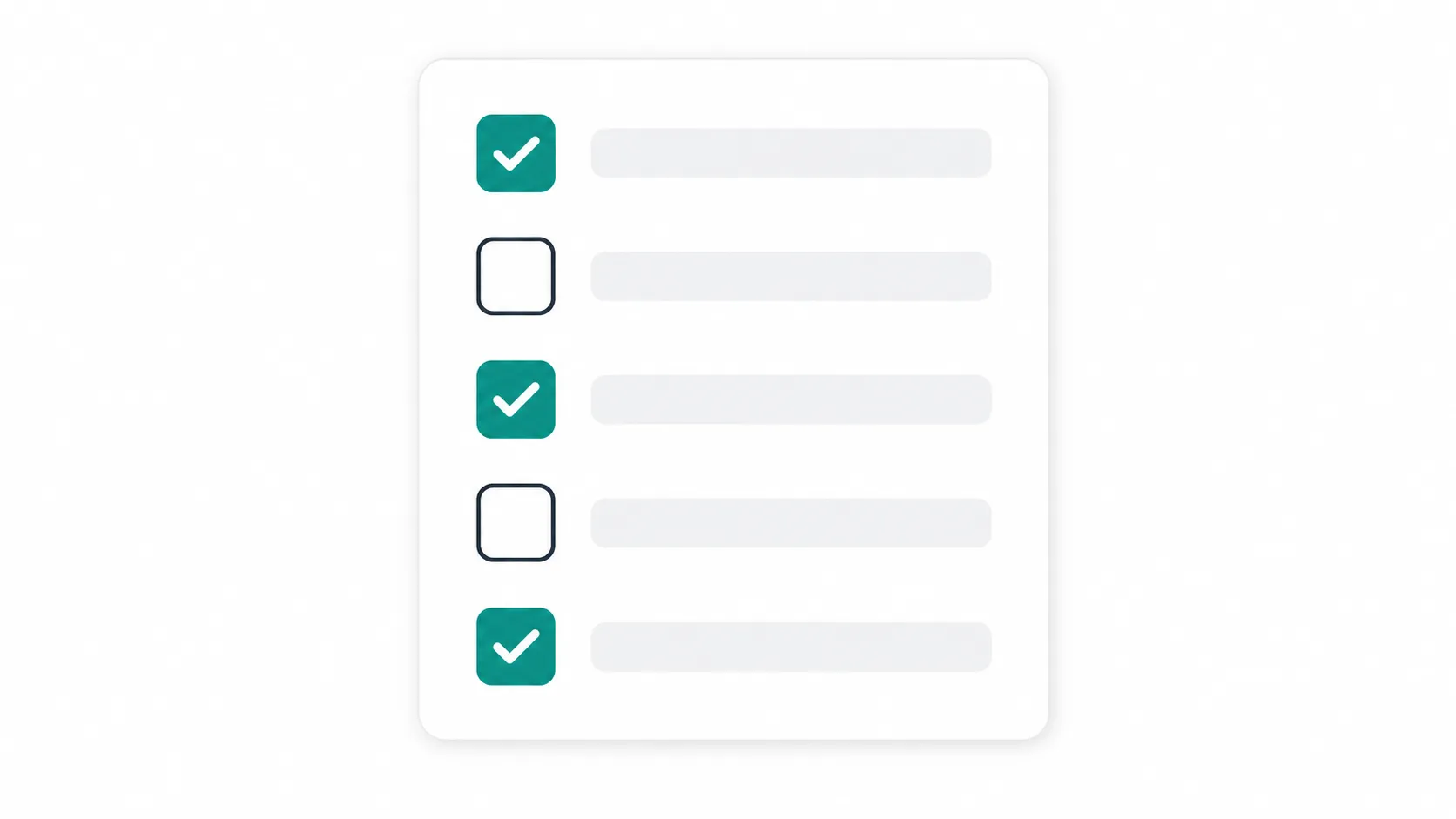
Before you register, confirm every item below:
- Name is under 12 characters (ideally under 10)
- No hyphens or numbers
- Passes the phone test - spellable on first hearing
- .com available, or chosen extension is appropriate for your market
- No conflicting trademarks on USPTO or WIPO
- Social handles available or close match secured on Namechk
- No negative meanings in target language markets
- Name reflects brand tone (friendly, technical, premium, etc.)
- You've checked it isn't an acronym for something embarrassing
- Registered with WHOIS privacy enabled
Once you've ticked every box, register it. Don't wait. Good domains disappear.
→ Read How to buy a domain name for the next step.
FindMyURL vs Searching Manually: What's the Difference?
If you've ever used GoDaddy's domain search, you know the frustration: you type a name, it's taken, and then you're shown a list of add-ons you didn't ask for. There's no intelligence in the suggestions - just variations of your search term with numbers appended.
FindMyURL works differently. You describe your business in plain language and the AI generates names based on your concept, tone, and audience - then filters out everything that's already registered. The result is a shortlist of genuinely available, contextually relevant names.
We've compared both approaches in detail: FindMyURL vs GoDaddy domain search.
Frequently Asked Questions
How do I brainstorm a startup name?
Start with five strategies: compound words (merge two relevant words), invented words (neologisms with no prior meaning), descriptive names (say exactly what you do), acronyms (initials of a longer name), and metaphors (words that evoke the right feeling). List 10 words that describe your product and 10 that describe your user, then combine pairs. Filter for names under 12 characters that pass the phone test, spellable on first hearing without clarification.
Should my startup name match my domain exactly?
Ideally yes. An exact match between your company name and domain reduces confusion and makes marketing simpler. If the exact .com isn't available, consider a slight variation (adding 'get', 'try', or 'use' as a prefix) or choosing a different extension like .io or .app. Avoid hyphens and numbers as these are a sign that the name itself needs rethinking.
How do I check if a domain name is trademarked?
Search the USPTO Trademark Database at tmsearch.uspto.gov for US trademarks, and the WIPO Global Brand Database for international marks. Search your exact name and close variations. Filter by the relevant Nice Classification, Class 42 covers software and technology services. Finding no trademark doesn't guarantee safety, so consult a trademark attorney before launching if you're in a competitive space.
What if the .com version of my name is taken?
You have three options: choose a different name entirely (often the best choice), use an alternative extension like .io, .app, or .co if your audience is tech-savvy, or buy the .com from its current owner. Check whether the domain is actively used or just parked as parked domains can sometimes be acquired for a reasonable price. Avoid adding hyphens or numbers to make a taken name 'work' as this signals a weak brand choice.
How long should I spend choosing a domain name?
Under two hours total. Allocate 30 to 60 minutes for brainstorming, 15 to 20 minutes for AI-assisted generation and shortlisting, 20 to 30 minutes for trademark and social media checks, and 10 minutes for the phone test and peer feedback. A good domain registered today is more valuable than a perfect domain still under debate next week.
Ready to stop guessing and start finding? Try FindMyURL - describe your startup in one sentence and get available domain names generated for you right now.