All 2–3 letter .com domains are taken, and the vast majority of 4-letter combinations are gone too. But 5–7 character domains are still findable with the right approach - try blending two short words, using uncommon letter combinations, or exploring non-.com TLDs where short names remain surprisingly available. AI domain generators like FindMyURL can also be prompted specifically to surface short, available options instantly.

Why Are Short Domain Names So Hard to Find?
The internet has been around for decades, and speculators have been registering short domains since the early 1990s. By the time most people go looking, the obvious short names are long gone.
Here's the reality by character count on .com:
| Length | Status |
|---|---|
| 1–2 characters | Impossible - all reserved or taken |
| 3 characters | All 17,576 letter combinations taken |
| 4 characters | Over 95% taken; remainder listed at premium prices |
| 5 characters | Majority taken, but real availability exists |
| 6–7 characters | Findable with creativity |
| 8–10 characters | Good availability if you're flexible on wording |
The shorter the domain, the more it's been picked over. But "short" doesn't have to mean 3 letters - it means concise, memorable, and easy to type. A 7-character blended word can outperform a clunky 4-letter acronym every time.
What Strategies Actually Work for Finding Short Available Domains?
Blend Two Short Words Together
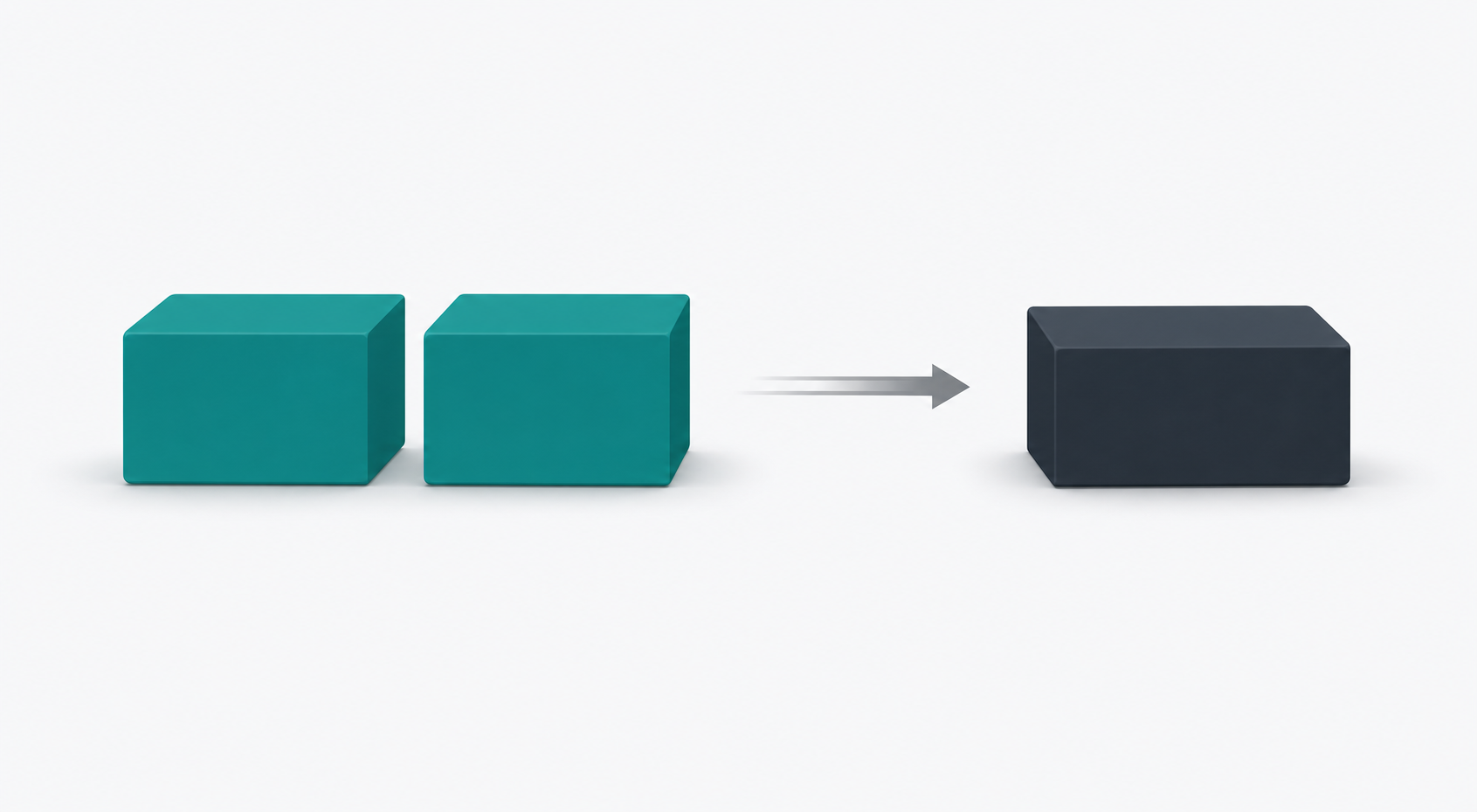
Word blending (also called portmanteau naming) is how many of the world's most recognisable brands were built. Pinterest = pin + interest. Instagram = instant + telegram. Snapchat = snap + chat.
The formula works because:
- Combined words are shorter than two separate words
- They feel invented and therefore brandable
- They're easier to trademark
How to apply it:
- List 5–10 words related to your product or brand feeling
- Combine the first syllable of one with the second syllable of another
- Aim for 6–8 characters total
- Check availability immediately - don't fall in love before you know it's free
Good blend pairs to explore: drop + flow, spark + hive, clar + ity, lum + era, swift + ly.
Use Uncommon Letter Combinations
Most taken domains cluster around common vowel-heavy combinations. Names built around less common consonant pairings - br, kr, vr, zl, fx - are statistically more available.
Examples of this in practice:
- Avoid:
open,easy,best,top,pro(all exhausted as prefixes) - Try:
zk,vx,br,kl,dras lead combinations
This doesn't mean creating unpronounceable strings. Brex, Klarna, Drift, Vroom - all short, all use less common openings, all pronounceable.
Try Phonetic Spellings
Dropping silent letters or respelling a word phonetically can unlock available versions of otherwise-taken names.
| Standard spelling | Phonetic version |
|---|---|
| Quick | Kwik |
| Easy | Eazi |
| Night | Nite |
| Through | Thru |
| Light | Lite |
Caution: only do this if the spelling still looks intentional, not like a typo. Fiverr, Tumblr, and Flickr worked because the truncation felt deliberate. Kwality probably wouldn't.
Explore Non-.com TLDs Where Short Names Are Still Available
The .com namespace is the most competitive. But alternative TLDs have dramatically more availability at short character counts - and many of them are now widely understood by users.

TLDs worth exploring for short names:
| TLD | Best for | Short name availability |
|---|---|---|
.io |
Tech, SaaS, startups | High |
.co |
Businesses, startups | Moderate |
.ai |
AI tools | High |
.app |
Mobile/web apps | High |
.dev |
Developer tools | Very high |
.so |
Tools, productivity | Very high |
.gg |
Gaming, communities | High |
A 5-letter .io can feel sharper and more modern than a clunky 12-character .com. Tools like Domainr are specifically designed to surface short names across less common TLDs.
How Can FindMyURL Help Me Find Short Domain Names?
FindMyURL uses AI to generate domain names and checks real-time availability across major domain registrars, so every suggestion you see is actually available to register right now.
The key is how you prompt it. Instead of entering your brand name and hoping for short results, be explicit:
Prompts that surface short names:
- "Give me 5-letter domain names for a productivity app"
- "Suggest short blended word domains for a fitness brand, under 8 characters"
- "Find available .io domains under 6 characters for a developer tool"
- "What are some short, invented word domains that sound like [your brand feel]?"
Because FindMyURL checks live availability in real time, you're not browsing a static list of suggestions that may already be taken. Every result is genuinely registrable.
What Do Successful Startups' Domain Names Look Like?
Data from analyses of Y Combinator-backed companies and Fortune 500 brands consistently shows:
- Average domain length for top startups: 7–9 characters (excluding TLD)
- Most unicorn companies use invented or blended words rather than dictionary terms
- Only a small minority use exact-match keyword domains
- Short acronym domains (.com) are rare in newer companies - because they're too expensive
What this tells you: you don't need a 3-letter domain to build a successful brand. You need something short enough to be memorable, distinctive enough to be ownable, and available enough to actually register.
Stripe (6), Slack (5), Notion (6), Linear (6), Figma (5), Loom (4) - all under 7 characters, all memorable, most are blended or invented words.
Related: How long should a domain name be?
Why Are Short Domain Names So Expensive?
Premium short domains are expensive because of supply and demand - there are a finite number of short combinations, and they've been owned for decades by investors who know their value.

Typical pricing by length (resale market, .com):
| Length | Typical resale price range |
|---|---|
| 3 letters | $10,000 – $500,000+ |
| 4 letters | $1,000 – $50,000 |
| 5 letters | $200 – $5,000 |
| 6–7 letters (invented word) | $50 – $2,000 |
| 8–10 letters (fresh registration) | $10–$15/year standard rate |
The inflection point is clear: once you get to 7–8 character invented words, you're back in standard registration pricing territory ($10–$15/year). This is the sweet spot for most startups - short enough to be memorable, new enough to register at face value.
Related: What makes a good domain name?
How to Find a Short Domain: Step-by-Step
- Define your character limit. Aim for under 8 characters excluding the TLD.
- List your core brand words. What 3–5 words describe what you do or how you want to feel?
- Create blended combinations. Mix syllables from your list to generate 10–20 candidates.
- Apply phonetic variations. Try alternate spellings of the top candidates.
- Expand to non-.com TLDs. Run your shortlist against
.io,.co,.ai, and.app. - Use FindMyURL with specific prompts. Ask explicitly for short, invented, or blended names.
- Check, register, move fast. Good short names disappear. If it's available and you like it, register it.
Frequently Asked Questions
What is the shortest domain name available?
Single-character and two-character .com domains are not available for public registration. The shortest domains you can realistically register are 4 characters or longer - though most 4-letter .com combinations are taken. On TLDs like .io, .co, or .ai, 5-letter domains are much more findable at standard pricing.
Are all 4-letter domains taken?
On .com, over 95% of 4-letter combinations are registered. The remaining ones are held by investors and priced from $1,000 to $50,000+. On newer TLDs like .io, .ai, or .app, 4-letter combinations have significantly better availability.
How do I find a 5-letter domain name? Focus on blended or invented words rather than dictionary terms. Combine syllables, use less common consonant pairings, and check non-.com TLDs. AI tools like FindMyURL can generate short invented names and verify availability in real time.
Are short domains better for SEO? Domain length has minimal direct SEO impact. Google ranks based on content, authority, and relevance. Short domains can indirectly help by improving memorability, earning more natural mentions, and reducing user error - but they're primarily a branding advantage, not an SEO one.
Why are short domain names so expensive? Supply is permanently fixed. Domain investors registered short combinations in bulk decades ago and now sell them at a significant premium. A 3-letter .com can fetch hundreds of thousands of dollars. The practical workaround is targeting 7–8 character invented word domains, which are often available at standard registration prices of $10–$15 per year.