The Hidden Cost of a Bad Domain Name (and How Much It Costs to Fix Later)
A bad domain name costs far more than the $10/year registration fee. The real bill arrives when you rebrand: new design assets, website migration, SEO traffic loss, and months of explaining your new name to existing customers. Spending 15 minutes finding the right domain name upfront is always cheaper than fixing a bad one later.
What Does a Bad Domain Name Actually Cost You?
Most founders think about domain names in terms of registration cost. At $10–$15/year, it feels trivially cheap. The real cost isn't in keeping a bad domain — it's in leaving one.
When a business outgrows or regrets its domain name, the exit costs stack up fast:
| Cost Category | Typical Range |
|---|---|
| New logo and brand identity | $500 – $5,000 |
| Website redesign or rebuild | $2,000 – $15,000+ |
| Printed collateral (cards, signage) | $200 – $2,000+ |
| SEO migration and recovery | 3–6 months of lost traffic |
| Staff time and distraction | Weeks of internal work |
| Customer confusion and churn | Unquantifiable |
The total cost of a full rebrand for a small-to-mid-stage startup typically lands between $5,000 and $25,000, not counting opportunity cost.
And that's before you've convinced a single existing customer that the company they trusted still exists under a new name.
What Makes a Domain Name 'Bad'?
A bad domain name is any name that actively works against your business. Common warning signs:
- Hard to spell out loud — If you have to spell it letter-by-letter every time you say your URL, you're losing traffic at every touchpoint.
- Easy to mistype — Hyphens, numbers, or unusual spellings push users to a competitor's site or a parked page.
- Hard to remember — A domain no one can recall after hearing it once isn't doing any marketing work.
- Wrong TLD for your market — A
.netor.iowhen your audience expects.comcreates subconscious friction and costs you direct traffic. - Brand liability — Names that are too generic, accidentally offensive in another language, or too similar to an existing trademark create legal and reputational risk.
- Doesn't match your business name — If your business is "Apex Studio" and your domain is
apexstudio-creative-co.com, every brand interaction is diluted.
For a deeper look at what separates strong names from weak ones, see what makes a good domain name.
How Much Does It Cost to Rebrand a Domain Name?
Rebranding a domain name isn't just buying a new URL. It's a cascading set of changes across every surface your brand touches.
Design and Brand Assets
A new domain almost always means a new name, which means a new logo, new colour palette decisions, and updated brand guidelines. Freelance designers charge $500–$3,000 for a logo refresh. Agencies charge $5,000–$20,000+ for a full identity system.
Every asset that carries your old name needs updating:
- Website (header, footer, meta tags, OG images, sitemaps)
- Email signatures across the entire team
- Business cards, letterheads, brochures
- Social media profiles, bios, and cover images
- Physical signage, packaging, merchandise
- Any co-branded or partner materials
Even at small scale, this is weeks of work.
Email Infrastructure
Changing your domain means changing every email address in your company. team@olddomain.com becomes team@newdomain.com. That transition requires:
- Setting up the new domain on your email provider
- Migrating or forwarding old addresses (and monitoring them for 12+ months)
- Notifying every vendor, client, and newsletter subscriber
- Updating CRM records, billing contacts, and automation sequences
Miss one, and you lose an invoice, a client reply, or a support ticket.
How Long Does It Take to Recover SEO After Rebranding?
This is where a bad domain name gets genuinely expensive.
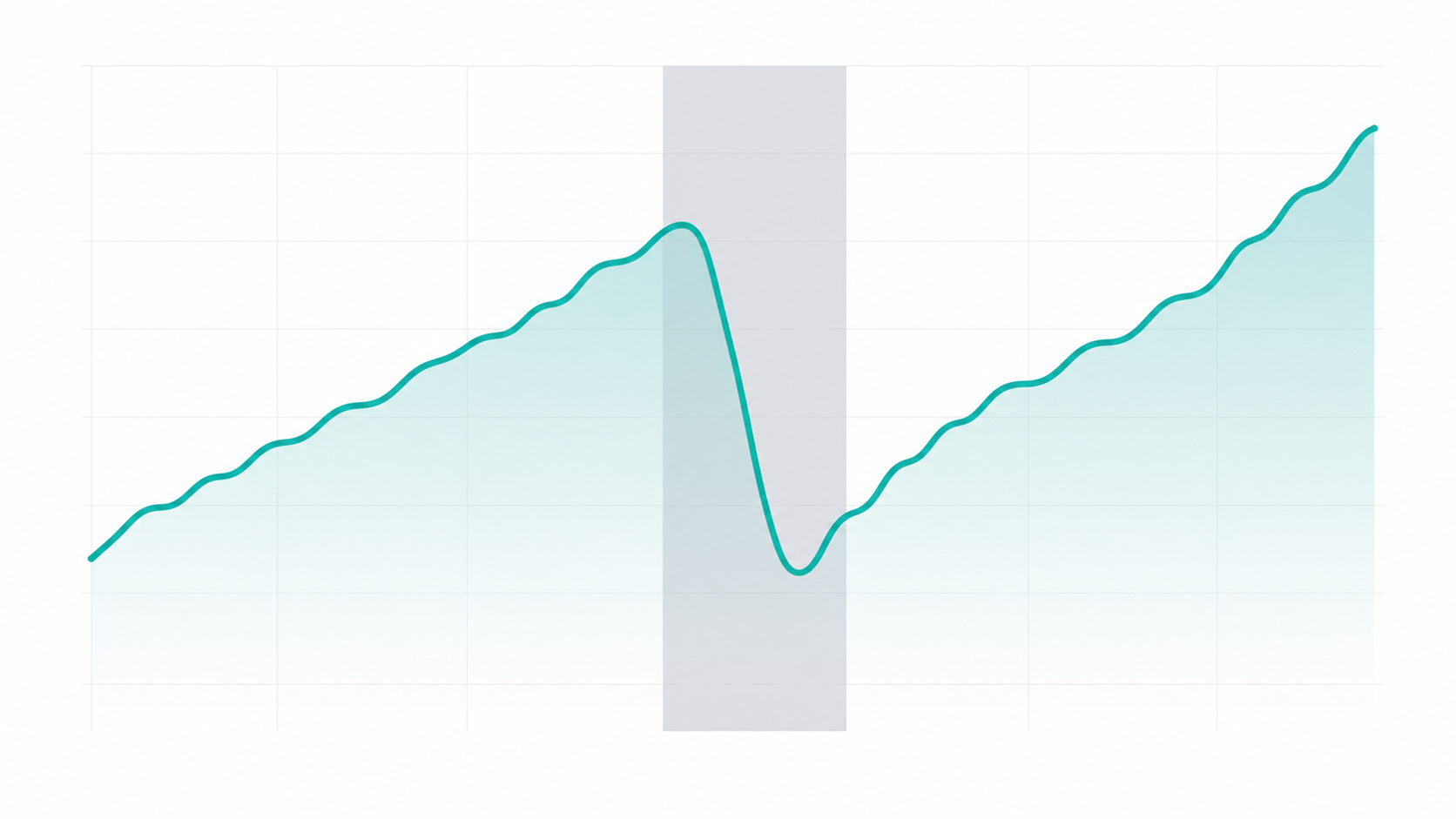
Search engines rank domains, not just content. When you migrate from one domain to another — even with perfect 301 redirects — you typically see a 15–30% drop in organic traffic for anywhere between 3 and 6 months, sometimes longer.
Ahrefs and Moz have both documented this pattern extensively. The key variables that determine how much traffic you lose and how fast you recover:
- Redirect implementation — Every old URL needs a permanent 301 redirect to its new equivalent. Broken redirect chains extend the recovery period significantly.
- Backlink profile — Thousands of external backlinks pointing to your old domain still pass link equity through redirects, but some authority is always lost in transition.
- Crawl budget — Large sites take weeks for search engine crawlers to fully re-index under a new domain.
- Brand signals — Mentions, social links, and directory listings that use your old domain name dilute the brand signal for your new one.
For a business generating $20,000/month from organic search, a 20% dip for 4 months is $16,000 in lost revenue. Not a failed migration — a normal one.
If you're already facing this situation, our guide on how to change your domain name without destroying your SEO walks through the process step by step.
Real Examples: Startups That Paid the Price of a Bad Domain
The "We'll Figure Out the Domain Later" Problem
This is the most common pattern: a founder registers whatever domain was available at launch — getacmehq.com, tryacme.io, useacmepro.com — with the intention of securing acme.com once the business takes off.
The problem? By the time the business has leverage to buy the premium domain, they've built years of SEO authority, backlinks, and customer memory on the workaround domain. The migration cost is now enormous, and the short-term traffic risk is real. Many founders look at the cost and delay indefinitely, trapping themselves on a domain they never loved.
The Trademark Collision
Several early-stage startups have launched on a domain only to receive a cease-and-desist letter from a larger company with a similar name and existing trademark. The forced rebrand isn't optional, isn't planned, and happens at the worst possible time — often right as the startup is gaining momentum.
The legal fees alone can run $5,000–$20,000. The rebrand adds another layer on top.
The Spelling Problem That Wouldn't Go Away
A SaaS company launched with a cleverly misspelled brand name — intentional, distinctive, memorable on paper. In practice, every sales call included the sentence: "It's spelled K-R-A-F-T-T, double T." Every podcast mention sent listeners to the wrong URL. Every piece of word-of-mouth traffic leaked to the correctly-spelled competitor.
They eventually rebranded. The new domain was boring. The traffic recovery took eight months. They estimate it cost them over $30,000 in design, migration, and lost growth.
These aren't edge cases. They're patterns. See the 10 most common domain name mistakes for more.
What's the Opportunity Cost of Dealing With a Bad Domain?
Beyond the direct financial costs, a rebrand consumes something more valuable: founder and team attention.
The weeks spent coordinating a rebrand — briefing designers, updating platforms, managing redirects, writing announcement emails, fielding confused customer questions — are weeks not spent on product, sales, or growth.
For an early-stage startup, that distraction compounds. Every hour spent fixing a preventable problem is an hour not spent building a competitive advantage. The opportunity cost is real even when it doesn't appear on a balance sheet.
How Do You Find the Right Domain Name Before It Becomes a Problem?
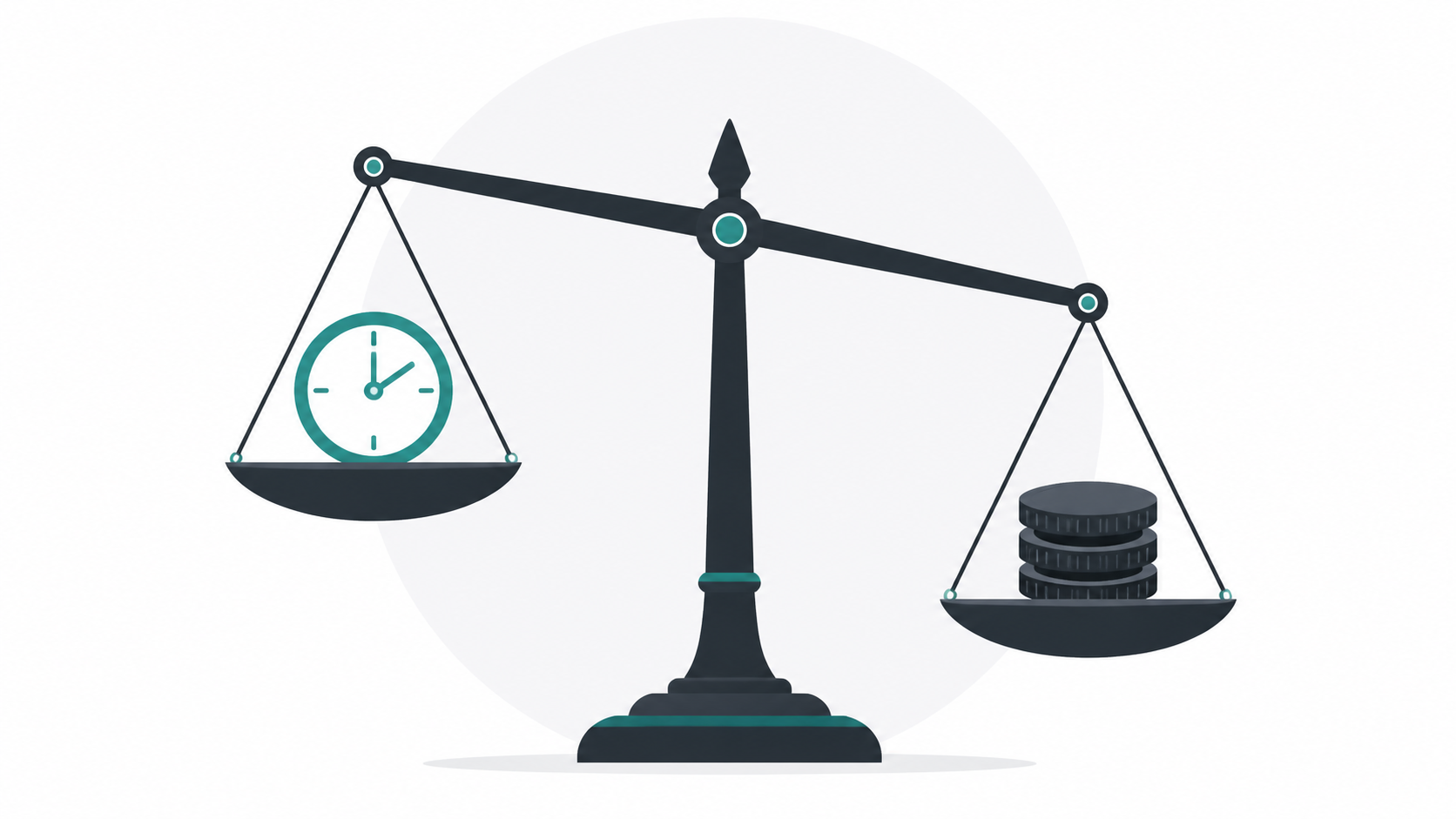
The contrast is stark: 15 minutes upfront versus months of remediation.
The reason most founders end up on a bad domain isn't laziness — it's that finding available, good domain names has historically been tedious. You think of a name, it's taken. You try variations, they're taken or ugly. You get frustrated and settle.
FindMyURL uses AI to generate domain names and checks real-time availability across major domain registrars, so every suggestion you see is actually available to register right now.
Instead of manually guessing variations on a taken .com, you describe what your business does and get a list of available, pronounceable, brandable domains — with availability confirmed before you ever see them. The names that look good are names you can actually register.
If you're still working out what you want your business name to be before you even think about domains, how to come up with a business name is a good starting point.
The right domain name doesn't guarantee success. But the wrong one creates a tax you keep paying — in customer confusion, in leaked traffic, and eventually in the cost of fixing it. The investment to avoid that is measured in minutes.
Find your domain name now at findmyurl.app
Frequently Asked Questions
{
  "@context": "https://schema.org",
  "@type": "FAQPage",
  "mainEntity": [
    {
      "@type": "Question",
      "name": "How much does it cost to rebrand a domain name?",
      "acceptedAnswer": {
        "@type": "Answer",
        "text": "A full domain rebrand for a small business or startup typically costs between $5,000 and $25,000, covering new design assets (logo, website, collateral), email migration, updated directory listings, and the staff time required to execute the transition. This does not include lost revenue from the SEO traffic drop that typically accompanies a domain migration."
      }
    },
    {
      "@type": "Question",
      "name": "How long does it take to recover SEO after rebranding?",
      "acceptedAnswer": {
        "@type": "Answer",
        "text": "Most websites experience a 15–30% drop in organic traffic after a domain migration, with recovery taking 3–6 months under best-case conditions. Recovery time depends on how cleanly the 301 redirects are implemented, the size of the site, the strength of the existing backlink profile, and how quickly search engines re-crawl and re-index the new domain."
      }
    },
    {
      "@type": "Question",
      "name": "What makes a domain name 'bad'?",
      "acceptedAnswer": {
        "@type": "Answer",
        "text": "A domain name is bad if it's hard to spell from hearing it aloud, easy to mistype, difficult to remember, uses the wrong TLD for its target market, doesn't match the business name, or creates legal risk through trademark similarity. Any of these problems cause ongoing friction that compounds over time."
      }
    },
    {
      "@type": "Question",
      "name": "Can I change my business name without losing customers?",
      "acceptedAnswer": {
        "@type": "Answer",
        "text": "Yes, but it requires proactive communication. Notify your customer list directly before the change goes live, maintain the old domain with redirects for at least 12 months, update every platform and directory where your business is listed, and be consistent about using only the new name going forward. Expect some confusion and direct traffic loss in the transition period regardless of how well it is managed."
      }
    },
    {
      "@type": "Question",
      "name": "Is it too late to change my domain name?",
      "acceptedAnswer": {
        "@type": "Answer",
        "text": "It's rarely too late, but the cost increases the longer you wait. A domain change on a new site with little SEO authority is relatively low-risk. A domain change on an established site with strong rankings, thousands of backlinks, and an existing customer base requires careful planning to minimise traffic loss. The earlier you make the change, the lower the cost."
      }
    }
  ]
}