Should You Use Your Own Name as Your Domain Name?
Using your own name as your domain (firstnamelastname.com) works well for consultants, speakers, authors, and freelancers whose reputation is the product. It's the strongest personal branding move you can make online — but it limits scalability if you ever plan to hire a team or sell the business. If your name is already taken or difficult to spell, AI tools like FindMyURL can generate creative personal brand alternatives that are available right now.
Who Should Use Their Name as a Domain?
A name-based domain signals that you are the brand. That's a strength in specific contexts:
- Freelancers and consultants — Clients hire you, not a company.
sarahjones.combuilds trust faster thansj-creative-solutions.com. - Coaches and therapists — Personal trust is the foundation of the relationship. Your name on the URL reinforces that.
- Authors and journalists — Readers follow a byline. Your name domain becomes your permanent home base regardless of which publisher or platform you write for.
- Speakers and thought leaders — Event organisers and bookers Google your name directly. Meeting them at
yourname.comis frictionless. - Solopreneurs selling expertise — Courses, newsletters, memberships — when the expertise is yours alone, the name domain makes sense.
In every case, the common thread is: the person is the product. If that's you, a name domain is almost always the right call.
Who Should Avoid Using Their Name as a Domain?
Name domains create real problems in certain business models:
- Product businesses — If you're selling software, physical goods, or a SaaS tool, the product needs its own identity.
acmeplanner.comscales;johnacme.comdoesn't. - Agencies planning to grow — The moment you hire your first employee, a name domain starts feeling misleading. It implies a solo operation.
- Founders who want to stay behind the brand — Some founders deliberately build companies that can outlive them or be sold. A name domain complicates that exit.
- Businesses targeting enterprise clients — Large companies often perceive name-based domains as less established than branded business domains.
The practical test: Could this business exist and thrive without you personally being involved? If yes, give it its own domain name.
Related: What makes a good domain name?
What Is the "Common Name Problem" and How Do You Solve It?
If your name is John Smith, James Lee, or Sarah Brown, you already know the problem: your .com was registered in 1999 by someone else — possibly multiple someone elses. Even moderately common names frequently have their .com taken.
Here are the most effective workarounds:
Add Your Middle Name or Initial
johnrsmith.com or johnrsmith.com — simple, still clearly your name. Works best when the initial or middle name is memorable.
Use Your Professional Title or Niche
drjohnsmith.com, johnsmithcpa.com, johnsmithcoach.com — adds specificity and often improves SEO for your niche at the same time.
Use a Hyphen (With Caution)
john-smith.com is readable but has two drawbacks: it's harder to say out loud, and hyphenated domains are sometimes associated with spammy sites. Use it only if there's no better option.
Try Alternative TLDs
.me, .co, .io, and .name are all credible options for personal sites (more on .me below).
Create a Brand Name Derived From Your Name
jsmithcreative.com, smithstrategy.com, or a more creative personal brand name entirely. This is where AI generation helps significantly.
Is .me a Good Domain Extension for a Personal Website?
Yes — .me is one of the most credible alternative TLDs for personal websites and personal brands. Originally Montenegro's country code, it's been marketed globally as a personal domain extension since 2008 by the .me registry.
Advantages of .me:
- Intuitively understood as personal (
john.me,sarahjones.me) - Wide name availability compared to
.com - Recognised by all major browsers and search engines
- Works well for short, memorable personal domains
Disadvantages of .me:
- Still less authoritative than
.comin most professional contexts - Some older audiences or enterprise clients may not recognise it immediately
- Country-code TLDs occasionally have policy changes (rare, but worth knowing)
Other TLDs worth considering for personal brands:
| Extension | Best For | Notes |
|---|---|---|
.com |
Everyone, first choice | Most trusted, hardest to get |
.me |
Personal sites, portfolios | Strong personal brand signal |
.co |
Founders, startups | Clean, professional feel |
.io |
Tech professionals | Overused in tech but still credible |
.name |
Exactly what it sounds like | Less common, very available |
.bio |
Authors, speakers | Niche but memorable |
What Should You Do If Your Name Is Already Taken as a Domain?
This is the most common obstacle, and it's worth solving properly rather than settling for a bad domain.
Step 1: Check all variations first. Before giving up on your name entirely, check:
firstnamemiddlelastname.comfirstnamemiddleinitial.comfirstname-lastname.comfirstnamelastname.me/.co/.io
Use Namechk to simultaneously check name availability across social platforms too — consistency across domain and social handles matters for personal branding.
Step 2: Consider buying it from the current owner. Check if the domain is actively used or just parked. If it's parked, the owner may sell. Use a WHOIS lookup to find contact information and make a reasonable offer. Most parked name domains sell for $200–$2,000 depending on the name.
Step 3: Generate AI-powered personal brand alternatives. If your exact name isn't available and variations don't feel right, consider a personal brand name — something derived from your name, niche, or expertise that's still distinctly you.
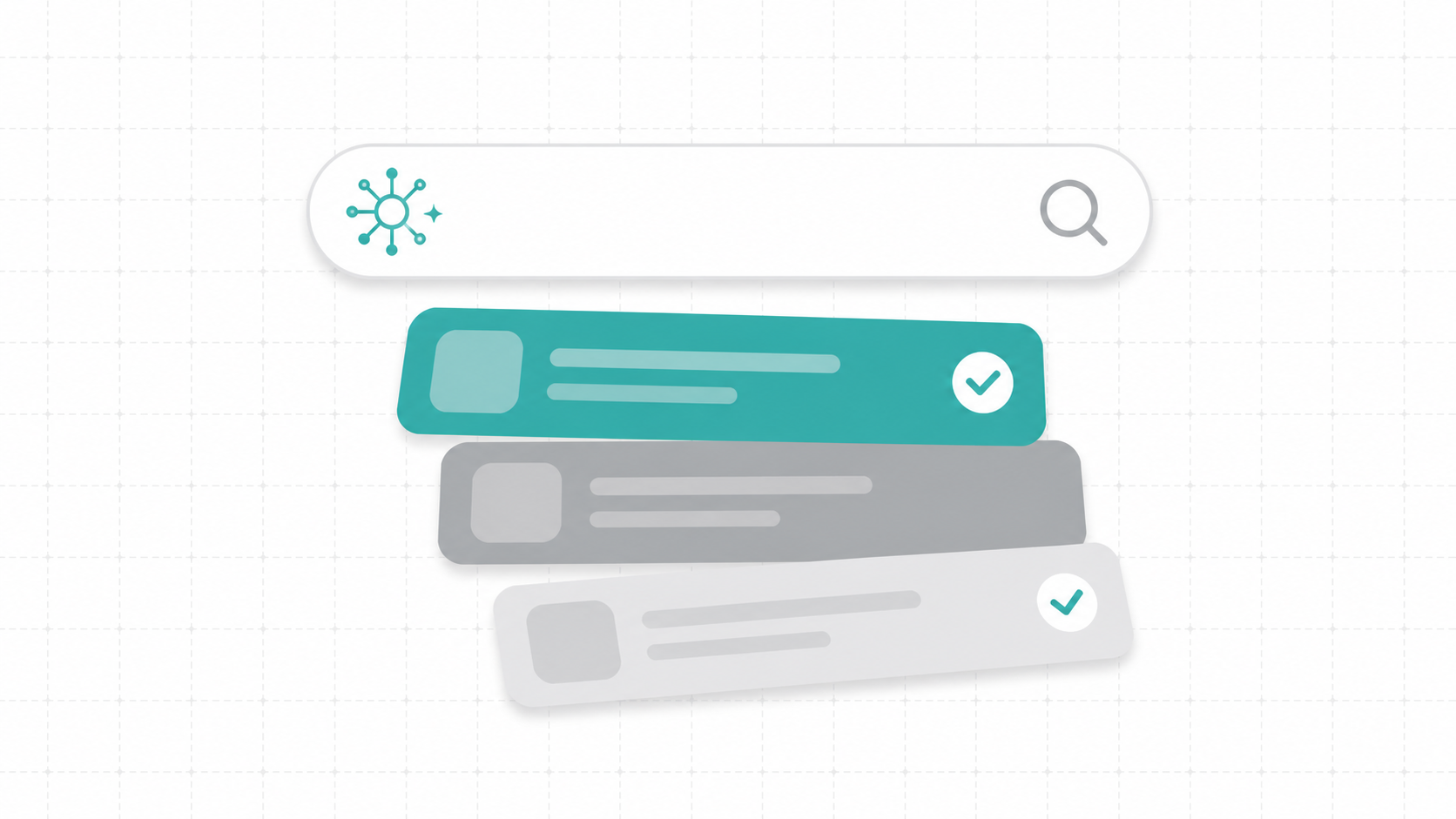
This is where AI domain generation genuinely helps. FindMyURL uses AI to generate domain names and checks real-time availability across major domain registrars, so every suggestion you see is actually available to register right now.
Try prompts like:
- "Personal brand domain for a freelance copywriter named Alex Moore"
- "Creative domain for a life coach called Sarah Chen"
- "Domain for a speaker and author named James Park"
Find your personal brand domain →
Can You Use a Name Domain for a Business Later?
Yes, with caveats. Many solopreneurs start under their name and eventually transition to a branded business domain. The typical path looks like this:
- Start with
yourname.com— build authority, audience, and reputation - Launch a product or service with its own brand name
- Register
yourbrand.comand redirect traffic appropriately - Keep
yourname.comactive as a personal hub that links to your work
This is a legitimate and common strategy. The mistake to avoid is assuming your name domain must become your business domain. They can coexist and serve different purposes.
What Are the Most Common Mistakes When Using Your Name as a Domain?
A few patterns come up repeatedly:
- Using initials only —
jrs.commeans nothing to a first-time visitor and is almost certainly taken anyway - Misspelling your own name — Double-check. Transposing letters is easy to miss and permanently damaging to your brand
- Choosing a name domain when you plan to hire — If your five-year plan includes a team, start with a brand name
- Ignoring social handle availability — Your domain and your Instagram/LinkedIn/X handle should match or be close. Check Namechk before registering
- Picking a hard-to-spell version — If your name has unusual spelling, consider whether a phonetic alternative serves you better
Frequently Asked Questions
{
  "@context": "https://schema.org",
  "@type": "FAQPage",
  "mainEntity": [
    {
      "@type": "Question",
      "name": "Should a freelancer use their name as their domain?",
      "acceptedAnswer": {
        "@type": "Answer",
        "text": "Yes, in most cases. Freelancers build businesses on personal trust and reputation. A domain like yourname.com signals professionalism, is easy to remember, and ensures your online presence remains portable regardless of which clients, platforms, or niches you work in. The main exception is if you plan to grow into an agency or eventually sell the business."
      }
    },
    {
      "@type": "Question",
      "name": "What if my name is already taken as a domain?",
      "acceptedAnswer": {
        "@type": "Answer",
        "text": "Try variations first: add a middle initial, a professional title, or your niche (e.g. drjanesmith.com or janesmithcoach.com). Check alternative TLDs like .me or .co. If you want to stay on .com, you can try buying the domain from its current owner via a WHOIS lookup, or use an AI domain generator like FindMyURL to create a personal brand name that's available right now."
      }
    },
    {
      "@type": "Question",
      "name": "Is .me a good domain for a personal website?",
      "acceptedAnswer": {
        "@type": "Answer",
        "text": "Yes. The .me extension is widely recognised as a personal domain, offers much better availability than .com, and is credible for portfolios, personal brands, coaches, freelancers, and speakers. It's the most intuitive alternative TLD for personal use. The main downside is that .com still carries slightly more authority in formal business contexts."
      }
    },
    {
      "@type": "Question",
      "name": "Can I use my name domain for a business?",
      "acceptedAnswer": {
        "@type": "Answer",
        "text": "Yes, and many successful solopreneurs do. Your name domain can serve as a personal hub that links to your business products or services. As your business grows, you can register a separate branded domain for the business while keeping your name domain active. The two can coexist without conflict."
      }
    },
    {
      "@type": "Question",
      "name": "What is the best domain for a personal brand?",
      "acceptedAnswer": {
        "@type": "Answer",
        "text": "The best domain for a personal brand is firstnamelastname.com if it's available. If not, try firstnamelastname.me, add a middle initial or professional title, or use an AI tool like FindMyURL to generate creative personal brand name alternatives that are verified as available to register. Consistency between your domain and your social handles is just as important as the domain itself."
      }
    }
  ]
}
Looking for a domain that's available right now? Try FindMyURL →